
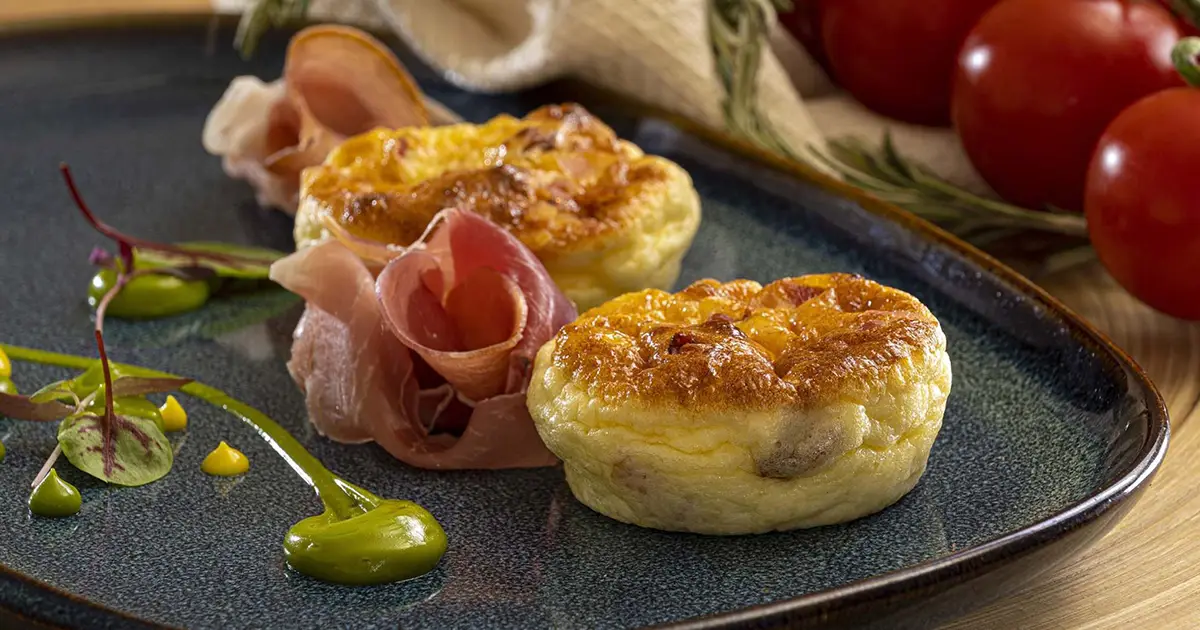
The best food photographs don’t just show food — they make the viewer want it.
That distinction sounds simple, but it’s the whole job. A technically accurate photograph of a dish that leaves the viewer unmoved has failed, regardless of how well-exposed it is. The measure of food photography isn’t whether the image is sharp and correctly lit — it’s whether it triggers a physical response in the person looking at it. That’s a higher bar, and it requires a different way of thinking about the brief.
What actually makes food look appealing in a photograph
Appetite is largely a visual phenomenon. The cues that make us want to eat something — colour, texture, freshness, warmth, abundance — all translate into photographic decisions. A burger that looks glossy and just-cooked. Bread with a crust that you can almost hear. A pasta dish where the steam is still visible. These details communicate sensory information that the viewer’s brain translates directly into desire.
Depth of field plays an important role. A shallow focus that keeps the front of the dish sharp while the background softens draws the viewer’s eye to exactly the right place — the most appetising part of the subject. Combined with the right light, it creates an image that feels like a moment rather than a document.
The emotional register matters
Different food contexts call for different emotional responses. A Valentine’s dinner wants intimacy and warmth — candlelight tones, rich colours, the sense of a special occasion. A breakfast menu wants freshness and energy — bright, clean light, vibrant colours, the feeling of a good start to the day. A premium restaurant’s tasting menu wants precision and artistry — close detail work, considered negative space, a visual language that says this food was made with care.
Understanding which emotional register your food photography should operate in — and then making every lighting, styling and composition decision in service of that — is what separates food photography that works commercially from food photography that simply looks nice.
It starts with the brief
The best food photography sessions we’ve had always start with a proper conversation about who the food is for and what it should make them feel. Not just “we need menu shots” but: what does our brand feel like, who are our customers, what’s the occasion, what do we want people to think when they see this image?
From there, every decision — the light, the surface, the composition, the styling — has a clear purpose. And the final image does what food photography is supposed to do: it makes people hungry.
We shoot food photography in our Bromsgrove studio and on location across the West Midlands and beyond. Talk to us about your brief — we love this stuff.
To see our full range of food photography work or discuss a project, visit our service page.
Related reading: Commercial Food Photography That Makes People Hungry.
Also worth reading: Eggstravaganza: What Photographing Eggs Taught Us About Food Photography.
Free — for marketing teams
Get practical photography tips in your inbox
Join marketing managers and brand teams who get our monthly guide — briefing photographers, planning shoots, getting more from your imagery. No hard sell, no fluff.
